In collaboration with
"Suljhao magar pyaar se"
*Online Dispute Resolution is a method of resolving conflicts outside of the traditional courtroom to reach mutually agreeable solutions.
Timeline
7 weeks
Design Research Intern with a team of three as a part of an academic project.
Team & Role :
*
Online Dispute Resolution
Reimagining
To tackle
Loan defaults
This design research project focuses on providing insights on the settlement behaviour patterns of loan defaulters within the context of an online dispute resolution platform named SAMA. Areas of intervention and process optimisation strategies were suggested to SAMA to increase the settlement rate of the platform through conciliation (a method of ODR)
Introduction:
In recent years, the issue of loan defaults has become a pressing concern in India's financial landscape. The increasing number of default cases puts immense pressure on both lenders and borrowers, leading to prolonged legal battles, financial burdens, and strained relationships. Recognising the need for a more efficient and humane process, alternate dispute resolution methods like conciliation have gained prominence as viable solutions.
Quantitative Data Analysis-
Statistical tools
(12,300 Cases)
Semi-structured Interviews
Case study Analysis
Persona
creation
ERP Scan
Research Tool Kit
Research Outcome
Maximising conciliation rate which further contribute to the revenue growth of SAMA.
Creation of a better and effective justice system through SAMA
Research Objective
Identifying dependency factors which influence a loan defaulter to do settlement.
Identifying types of defaulters and measuring and comparing the willingness to conciliate.
Recommendations for areas of intervention for SAMA to increase the conciliation rate

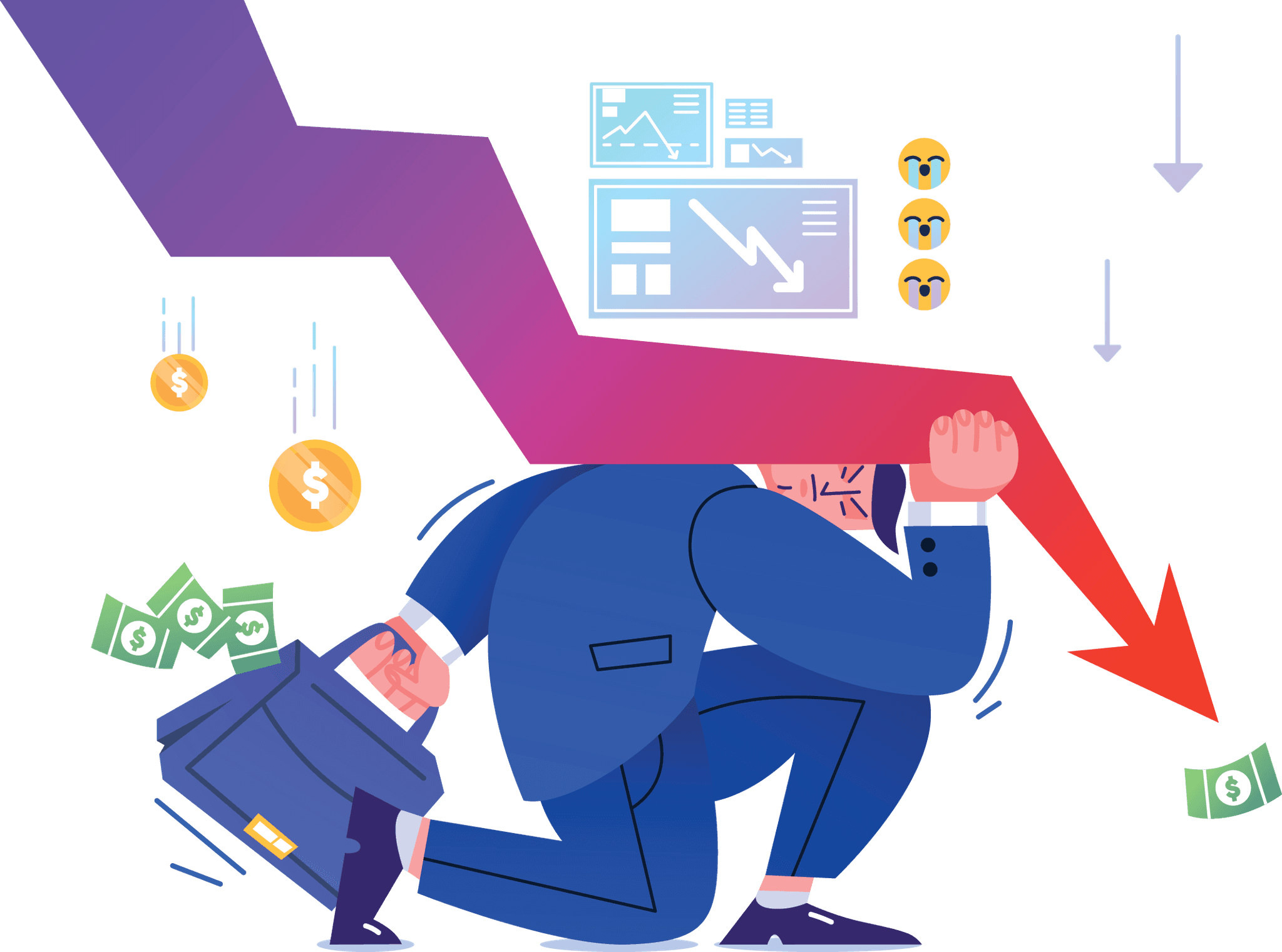
Defaulter often fail to recognise the future impact of the non-payment of their loans
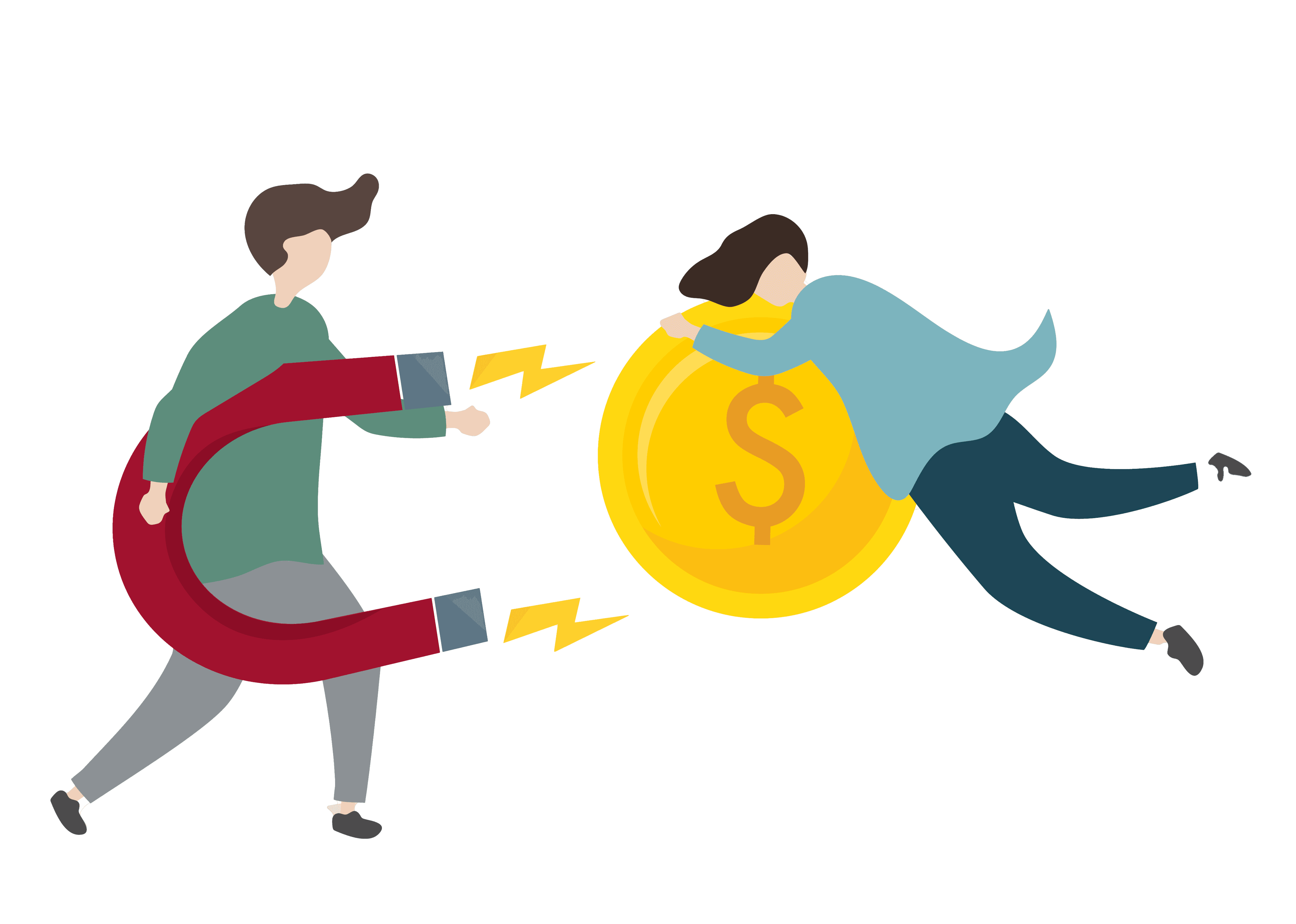
Defaulters often carry a childish-revenge mentality when it comes to repayment.
The type of loan taken has a huge impact on the willingness to conciliate (collateral & non-collateral)
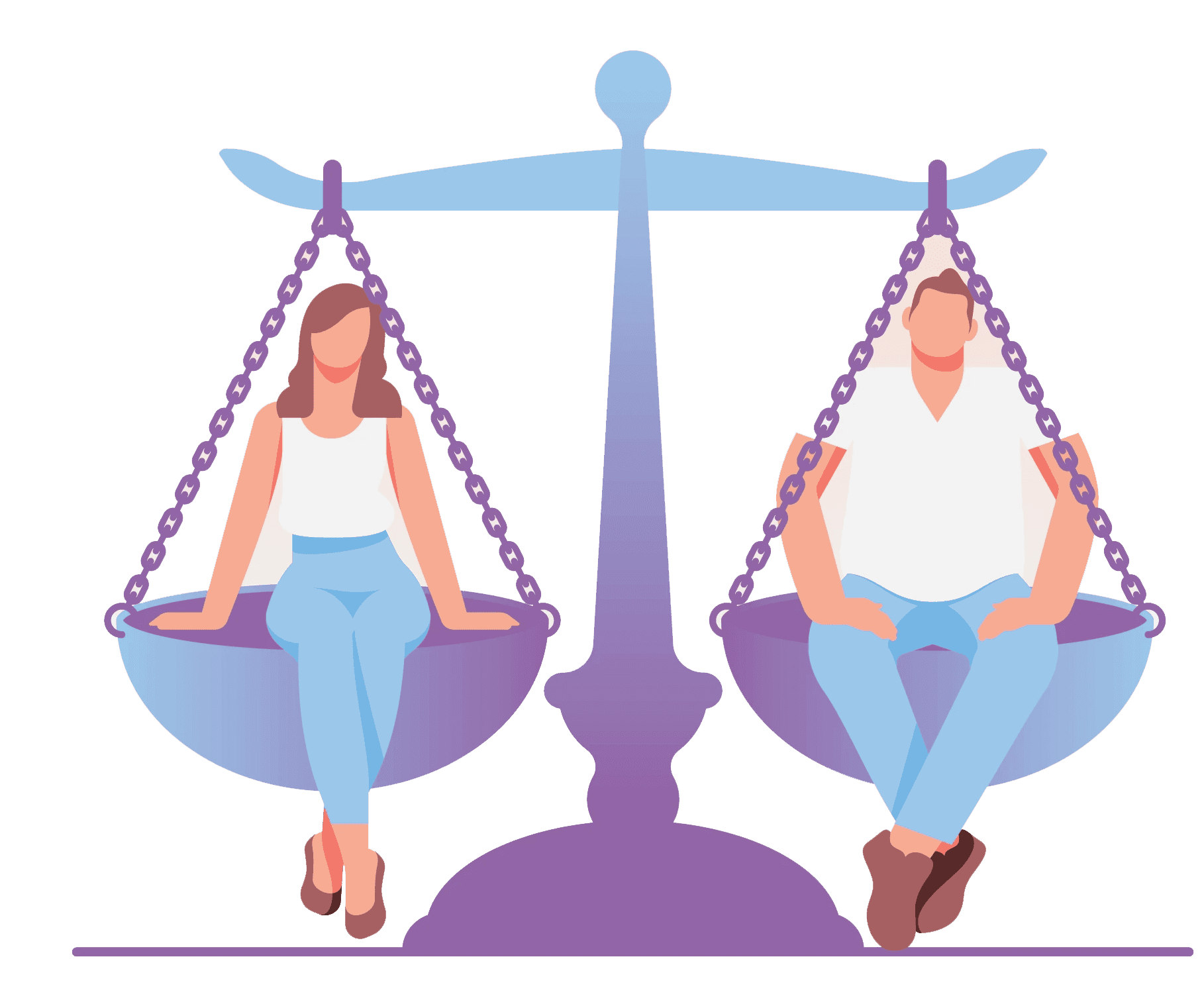
Creating a sense of equality in the defaulter’s mind is key to their willingness to conciliate

Key findings

Research Pipeline
W1
W2
W3
W4
W5
W6
Understanding Landscape
Literature review
Planning
Understanding Landscape
Literature review
Investigating Problem area
Define Problem
Definition
Design Research Funnel
Primary research
Exploration
Creating and validation hypothesis
Analysis of the data collected
Evaluation
Insights, Overall Themes,
Recommendation
Direction

Conciliation
Who is a conciliator?
A conciliator is typically a neutral third party who is skilled in conflict resolution and has expertise in the specific area of the dispute.
Impartial
Objectivity
Fairness
Expert in subject
Suitable for a variety of complexity of cases- flexibility
Creative ways of resolution
Involvement of main parties and not just lawyer
Cost-effective
Key Factors
Mutually advantageous decision-making
Quicker resolution
Privacy with confidentiality
Considers REASONS OF THE DEFAULTER leading to default
Leverage personal vindication (desire to clear reputation)

The ADR Continuum
The What,Why, Who and how?
PHASE 1 | Understanding the world of financial legislation
Neutral arbitrator renders a decision called an award, after there has been a presentation of Evidence
Occurs directly between the parties and their counsel
Does not involve a neutral third-party
Flexible process that can be used any time of dispute
Traditional method
Final verdict through court proceedings
Formal
Arbitration
Conciliation
Litigation
Negotiation
Mediation
Informal
Parties decide outcome
Neutral decide outcome
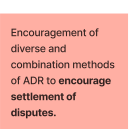
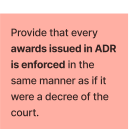
Key Objectives of Arbitration Act
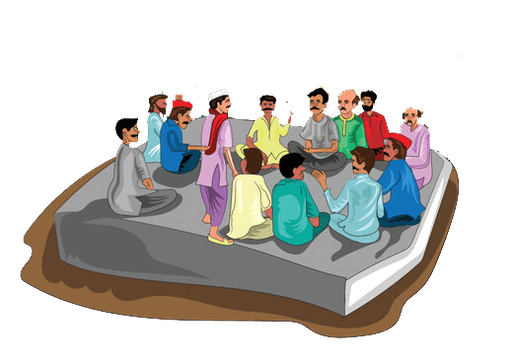




People in India believed in resolving disputes within the four walls to protect their dignity and personality
In 1899 The Indian Arbitration Act, 1899 was enacted to give effect to alternate dispute mechanism in India.
Muslim rule bought in Hedaya as mentioned in Khuran
Sarpanch in Grama Panchayat
Bhradarnayaka Upanishad
mentioning about - Kula
Alternate ways - History

*What is
Alternate Dispute Resolution (ADR) encompasses various methods for resolving legal conflicts outside of formal court proceedings.It has been an important mechanism for resolving disputes in India since ancient times. ADR done online is Online Dispute reolution
Alternate
Resolution
Dispute
Less personal as the parties aren't in the same room - most conversation in writing
All parties require access to adequate technology to fully partcipate
Parties with difficulty in language in writing may be at disadvantage
ODR is a non-binding process, it cannot produce legal precedents
Disadvantages
Weaker party less likely to trust ADR
Likely to be biased as the lenders approach neutral party
Reaching agreement makes the party feel smaller and weaker
Big stakes cases cant be solved through ADR
Myths and Assumptions
*Why a need for
Alternate
Dispute
Resolution?
35L
cheque bouncing cases pending in courts across India
32M
million cases pending across courts in India- post-lockdown
90%
financial cases can be resolved without the engagement of a judge or mediator
10L
crore
loans written off by in last five financial years
**Non-performing Assets is a loan or an advance for which the principal or interest payment has remained overdue for a period of 90 days.
5%
Gross **Non-performing assets ratio of India is a 7 year low
REACH AN AGREEMENT
GET A DECISION
*Who is
SAMA
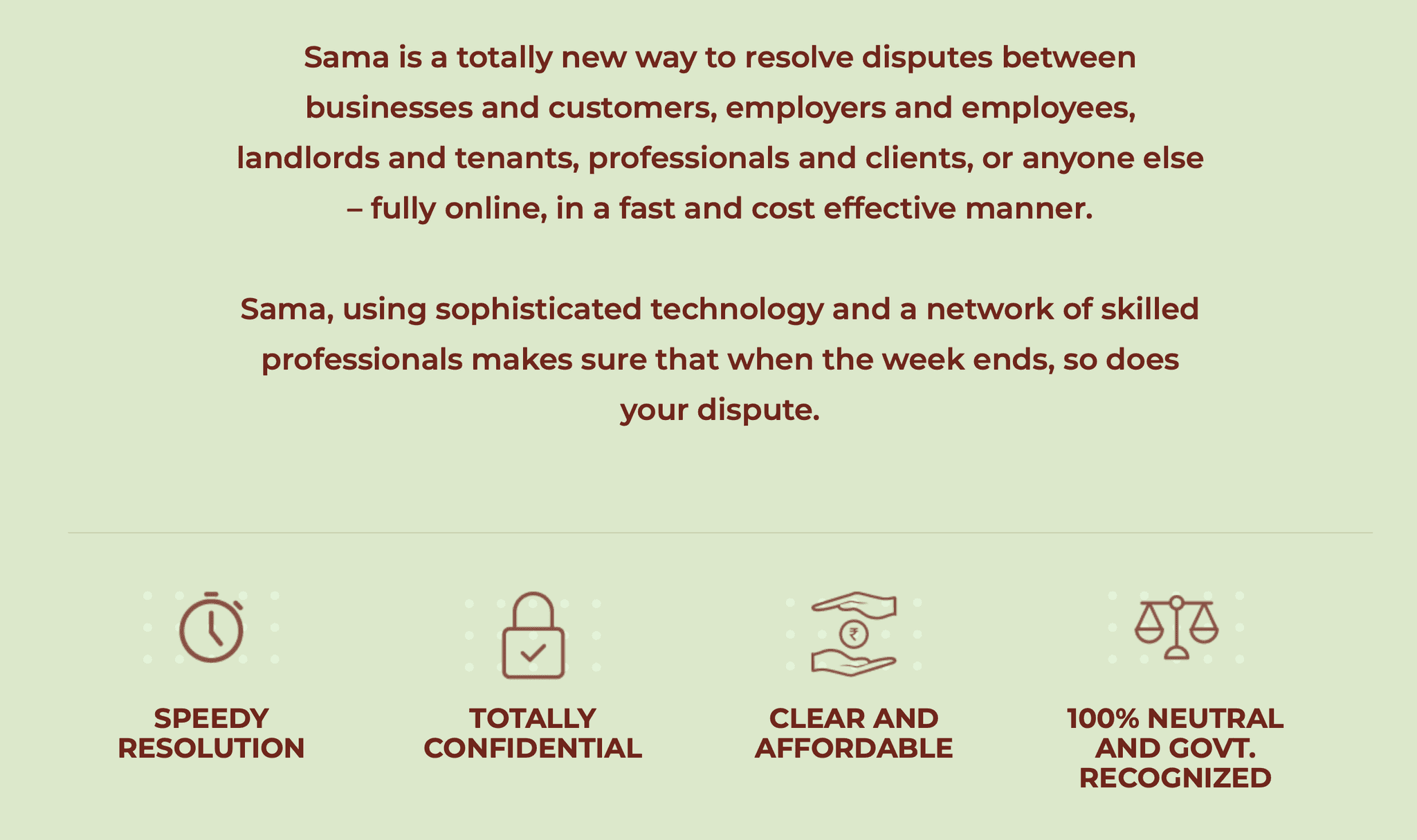
SAMA's goal is to give you a safe, quick, cost-effective and humane approach to resolve your dispute to your satisfaction with real practical solutions without the expense or hassle of courts and spending a lot of time.

Creation of a new justice system with the integration of technology through collaboration to increase effectiveness
Suljao Magar pyaar se
VISION
MISSION
*How
SAMA
works
Statistics
SAMA

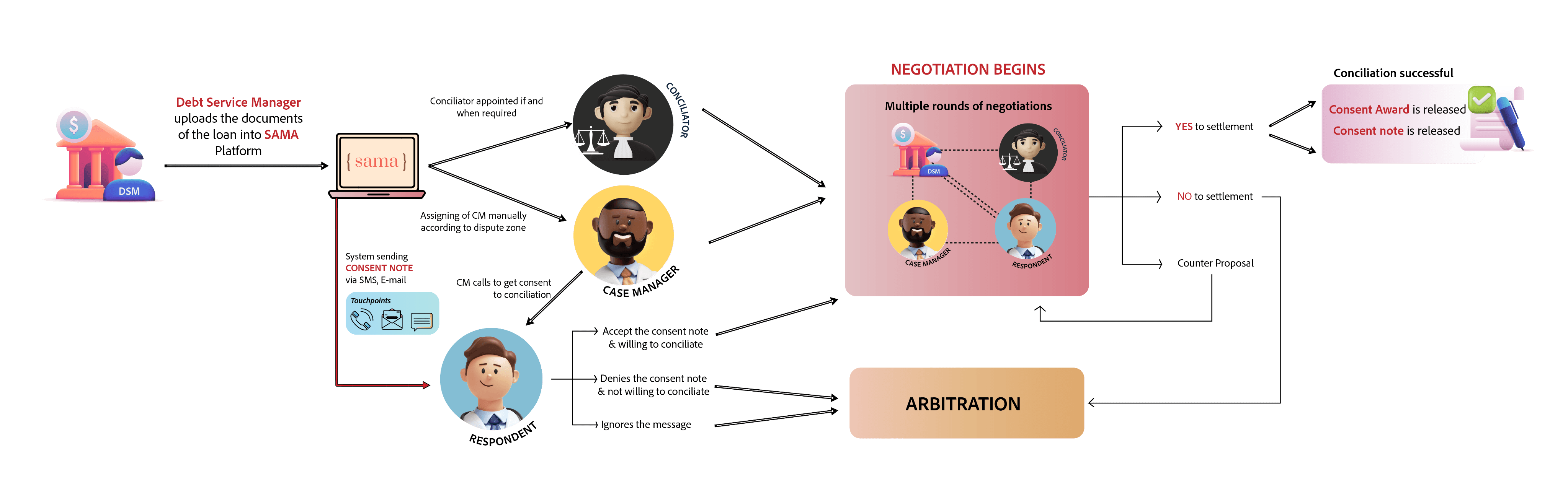
USER PROCESS FLOW
Quantitative Data Analysis
(12,300 Cases)
Semi-structured Interviews
Case study Analysis
Persona
creation
ERP Scan
Research Tool Kit
Locus-of-control
People with internal LoC are twice more likely to save for the future than people with external LoC.
Other factors
Attitude towards Debt
Greed
Time Preference for money
Social Stigma
Self-esteem
Personality
It affect the credit risk of borrowers, the response pattern differs significantly in high stakes and low stakes settings.
Integrity
Borrowers with low integrity may opt to default.
Borrowers’ ability (Can be predicted)to repay and Borrowers’ willingness isnt captured as of now by the system
Impulsive/compulsive buying
Lack of self-control represents delinquency in repayments and financial distress.
Materialism
Individuals who believe that possession of goods will lead to success have low debt and high account balances.
Self-Efficacy
Some researchers have indicated self-efficacy as a positive aspect of a borrower, others have related it with overconfidence and a higher degree of optimism.
Understanding defaulter mind set
Creation of Inclusive rights
Research Approach Funnel


Data Analysis- Quantitative & Qualitative
Hypothesis Creation and testing
Secondary Research
Stakeholder Interviews
Debt Recovery tribunal Visit
Hypothesis Validation
Quantitative Data Analysis
Hypothesis Creation
Data Cleaning
Descriptive Analysis
Statistical Analysis
Data Synthesis
Data Sampling
Stakeholder Interviews
Quantitative
Qualitative
Validation

PHASE 2 I PRIMARY RESEARCH
How might we improve the process of conciliation as an alternate dispute resolution method to tackle loan default cases.
Problem Statement
Maximising conciliation rate which further contributes to the revenue growth of SAMA.
Creation of a better and more effective justice system through SAMA
Defaulter centric
insights
SAMA internal data

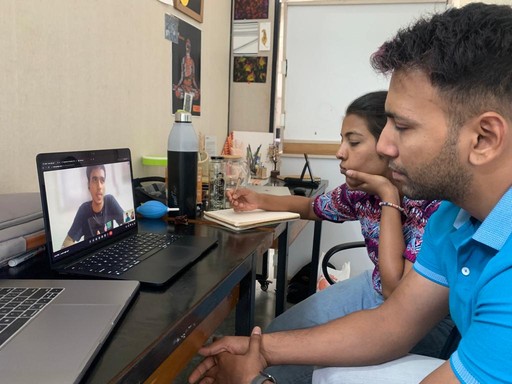
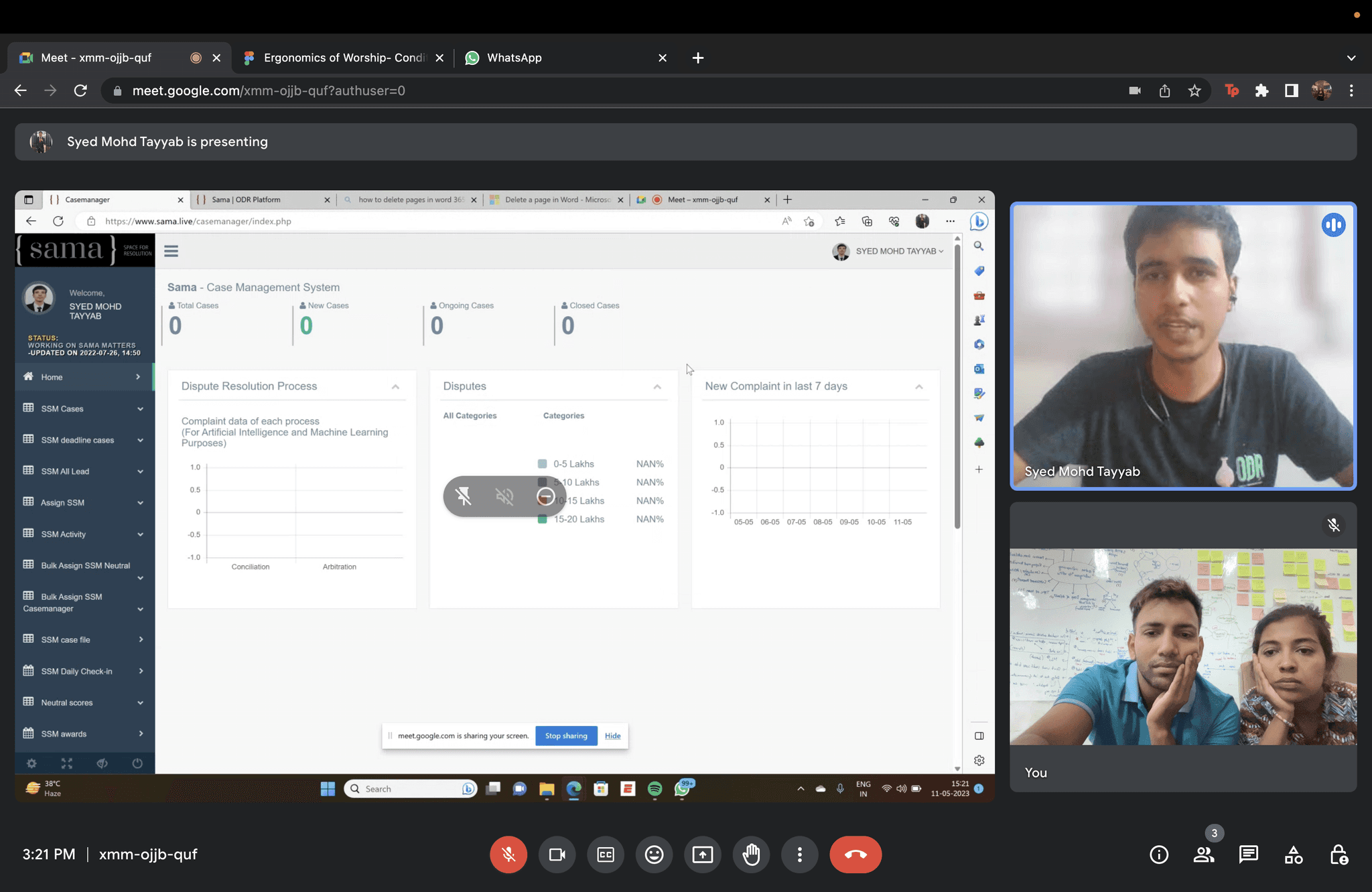
Sangeetha Mehrotra
Conciliator, SAMA
Case managers & conciliators (within SAMA)-12
Conciliators outside SAMA -5
Debt service expert interview
Defaulter interview - 15
Interviewee pool
"Defaulters often mistake us as collection agents"
"They don't know that we are here to listen to their problems"
Awareness
Lack of awareness about the consequences of willfully defaulting
Lack of realisation that compromises are made by both the parties
Lack of awareness about financial discipline leading to NPA
The shame associated with the default blurs the line between willingness vs. ability to settl;e
Defaulter Behvaiour/insights
Very less number of female defaulters- women are the poc in defaults made by the men
Human nature to argue during conflicts drip down to ADR
Childish revenue mentality by defaulter- I lose, you lose
Willingness to conciliate
=
Willingness to pay back
Use ADR to delay litigation process
"After conversations in the initial 10 min, I can figure out, saying/doing what would want to make them settle. Sometimes they seek a listener of their problems and sometimes I become the teacher who scolded a kid"
SAMA- Operations
Lack of Data Hygiene from the clients- leading to incomplete data in SAMA-ERP
Case Managers playing role of neutrals and vice vers
Multiple stakeholders- Bank, Collection agent and SAMA- are approaching the defaulter at same time
Informality is triggered as conciliation consent notices arent digital
Lack of enforceability as Litigation is ahead if methods of ADR didn't work out
Failure to pick up habitual cues as contact isn't physical rather than. virtual

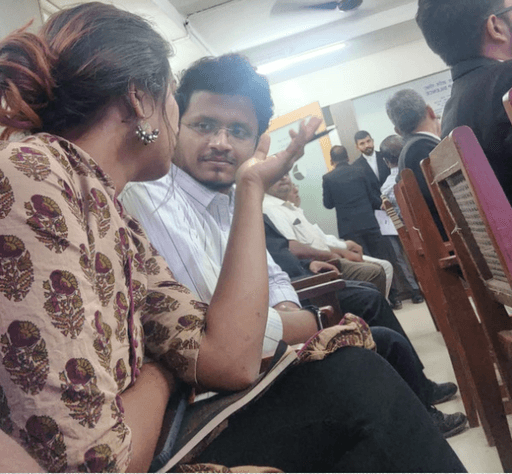
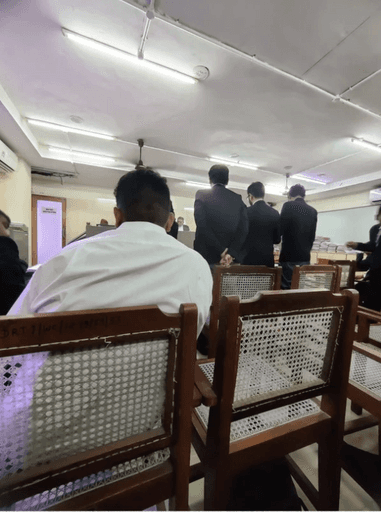
Debt-Recovery Tribunal | Court visit | Highlights
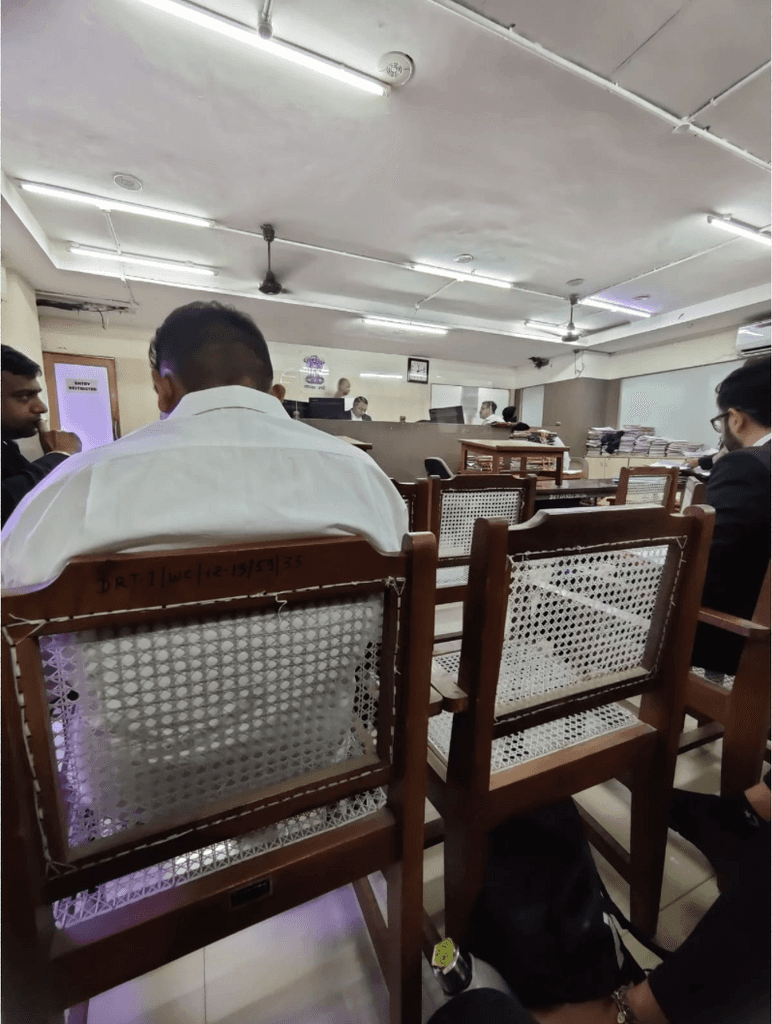
Lack of empathy
Debt recovery Tribunal is the exclusive court which handles disputes regrading Debt defaults. This visit was conducted to grasp concepts of traditional litigation-what to leverage in creating an effective justice system
One sides conversation from judge to defaultees and lenders
Most cases have been going for years
All stakeholders focused on getting the next hearing date
most of the cases didn't have the borrower present-still verdict was issued
Data Analysis Approach
Hypothesis Creation and testing
Data Analysis- Quantitative & Qualitative
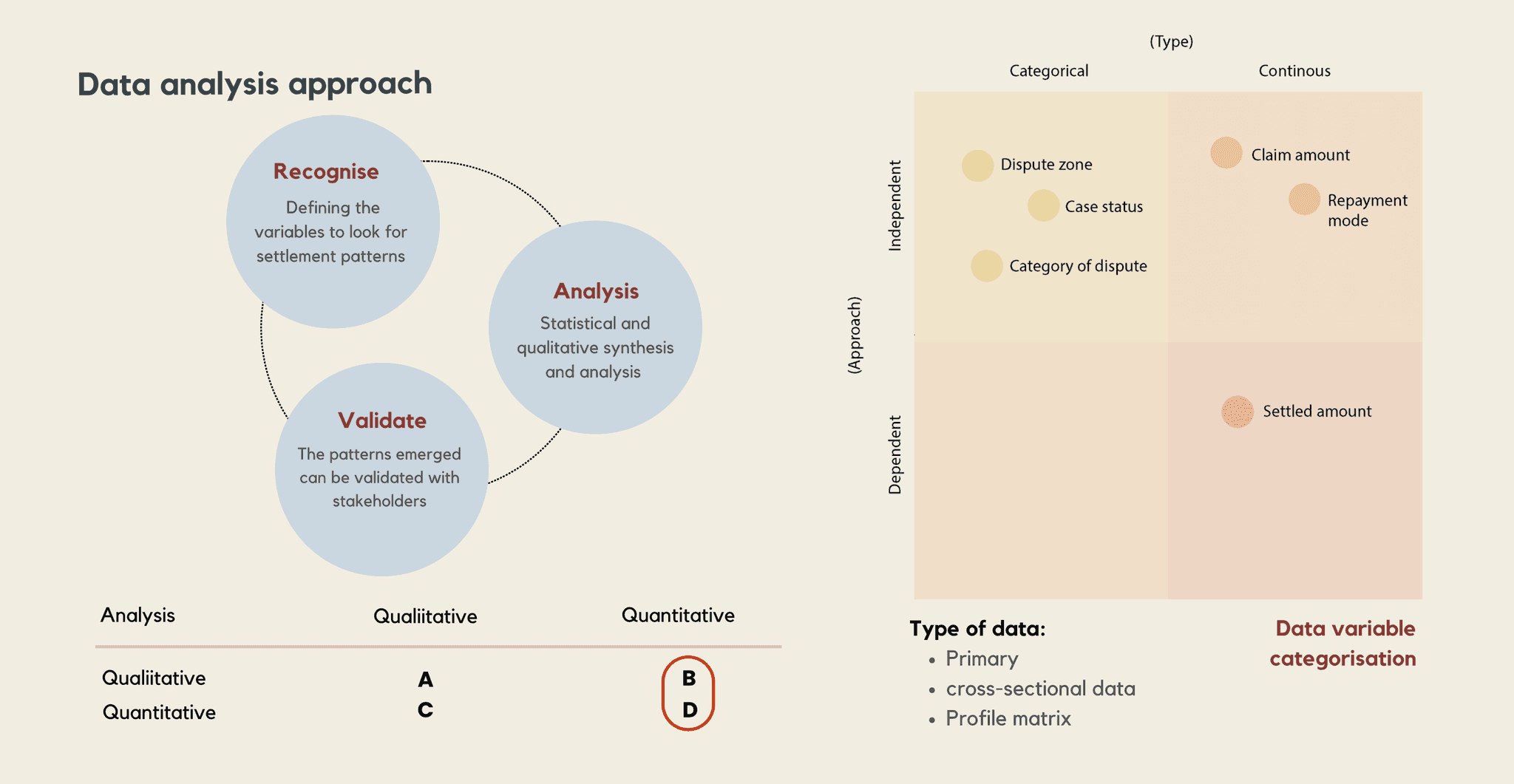
The Data variables to cross compare and analyse was identifies by us post the secondary and primary research
To uncover the external and internal factors affecting the settlement beahaviour, quantitative data was looked at multiple angles
ANOVA
Conducting analysis of variance to determine the differences in settled amount across independent variable
Cluster Analysis
identify groups of loan default who exhibit similar behaviour
Correlation Analysis & Chi-square test
To quantify linear relationship between pair of various variables
Statistical tools explored

Semi-structured Interviews| ERP Scan | Highlights
12,304
Total cases studied
9706
Credit card cases
3%
Current conciliation rate
2603
Personal loan cases
155
Consented
187
Closed no Settlement
361
Settled
Data
Statistics
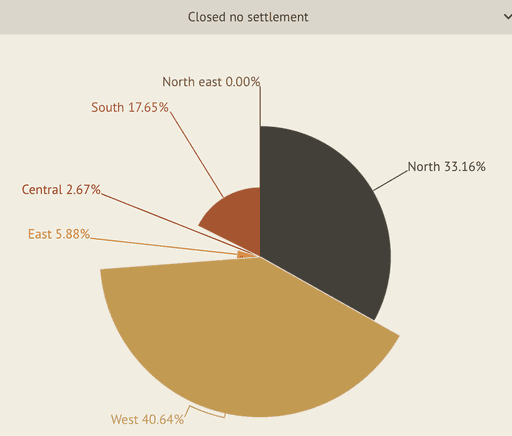
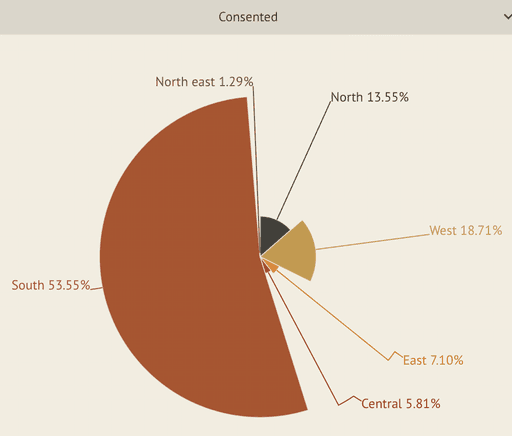
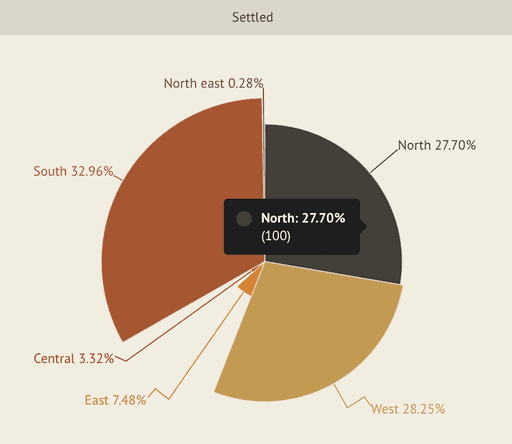
Descriptive Analysis
Demographical breakdown
The high consented rate from South India is attributed to the top-performing debt service managers- who are handling cases in the south region
Managers highlighted defaulters from south were more responsive in the first call.
Amount Distribution
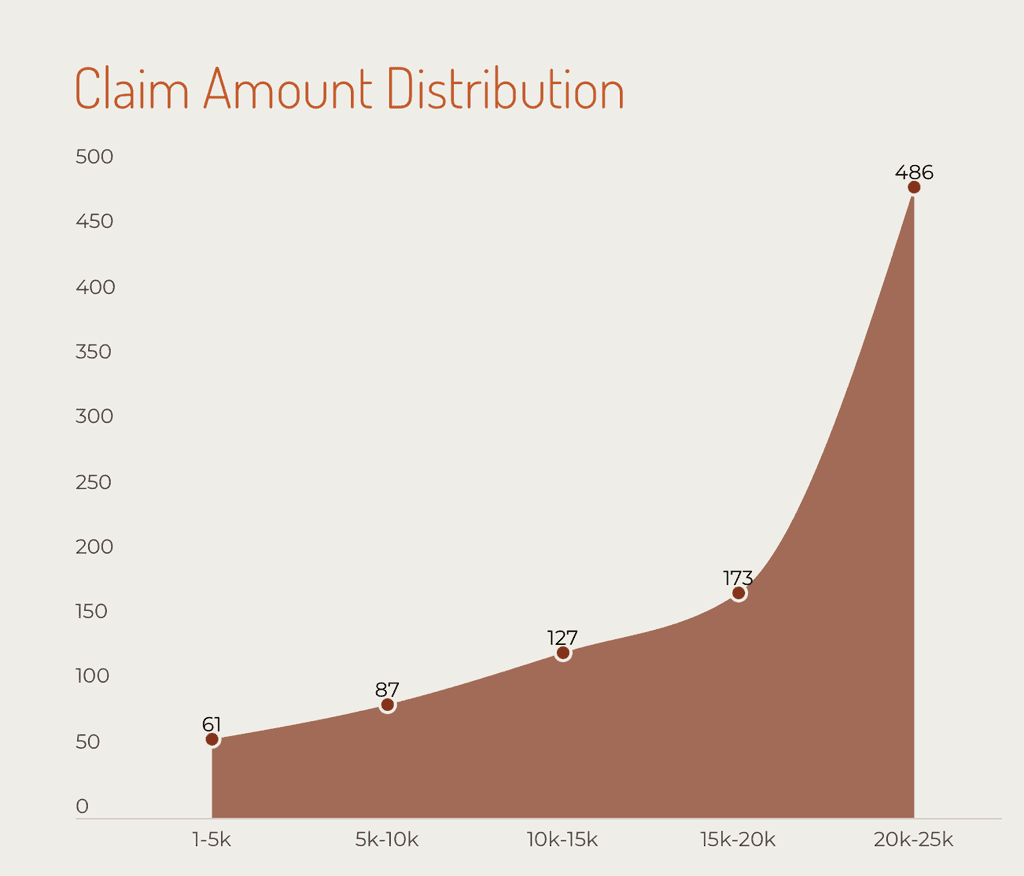
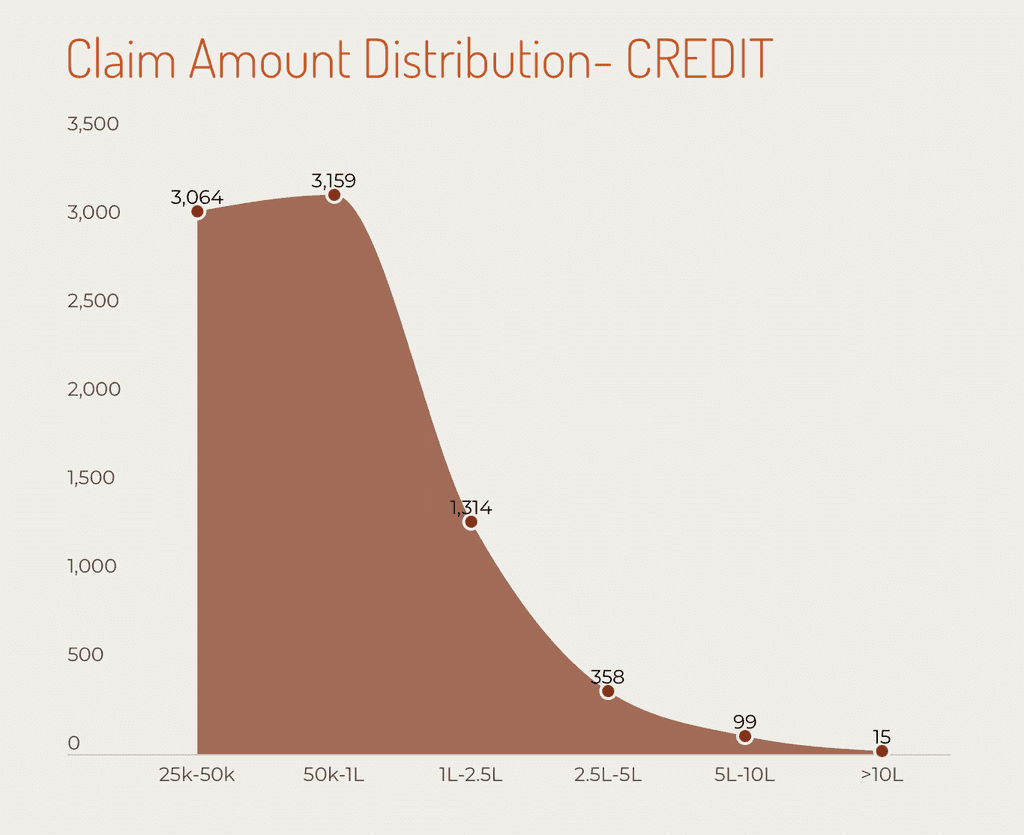
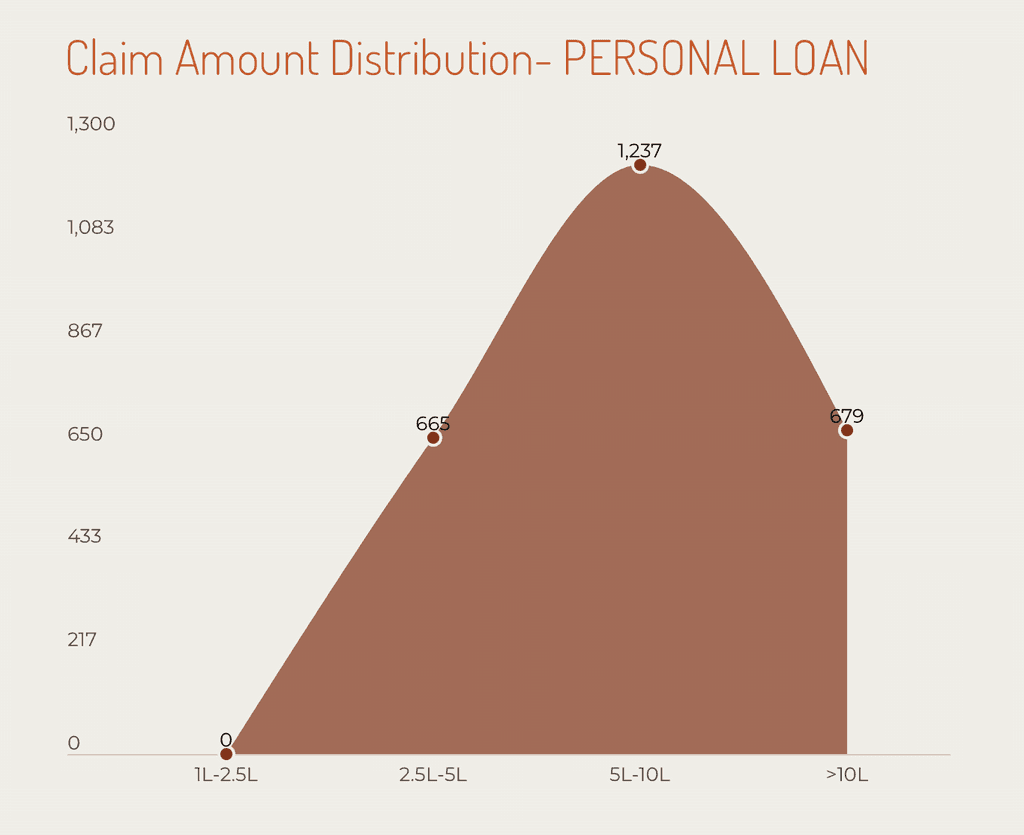
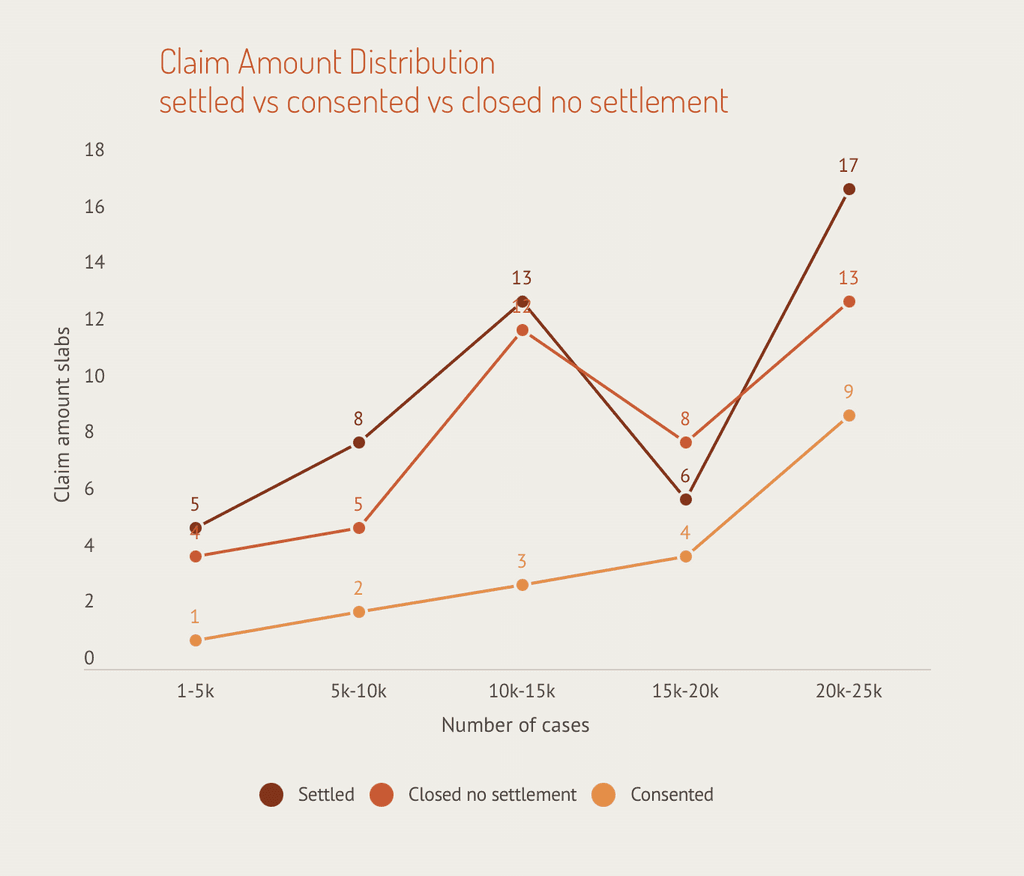
Settled cases are highest in high claim amount cases
Consented cases(said yes to conciliation isn't moving further) seemed to be present across all claim amounts- reasons pointed towards internal operations
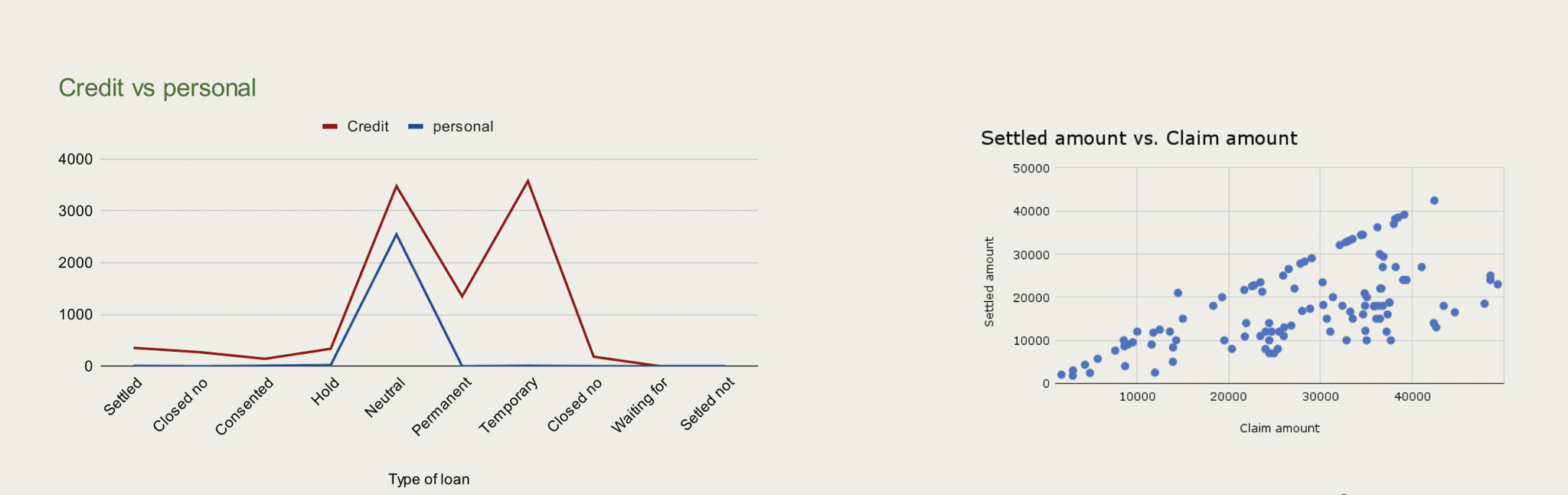
Co-relation Analysis
Type of loans have an impact on the willingness to settle
Linear Co-relation
HIgher claim amount- Higher the settlement amount
Disproven
We believe that
Objective Hypothesis Creation
Loan defaulters with higher claim amount have more chances to consenting to conciliation
We believe that
Approach to settlement is loan category dependent
We believe that
Delay in processes and operation is leading to lesser chances for the case to get settled through conciliation
We believe that
Approach to settlement is loan amount dependent
We believe that
SAMA act as a nudge for the respondent if he was already planning to settle.
We believe that
Respondents look at conciliation as. a casual process hence conciliation rate is affected
We believe that
Data discrepancy in the portal leads to fallout of respondents post consent
We believe that
Respondents are not feeling secure enough to share their docs with SAMA
We believe that
CiBIL score have an impact on the willingness to settle through conciliation
Disproven
Disproven
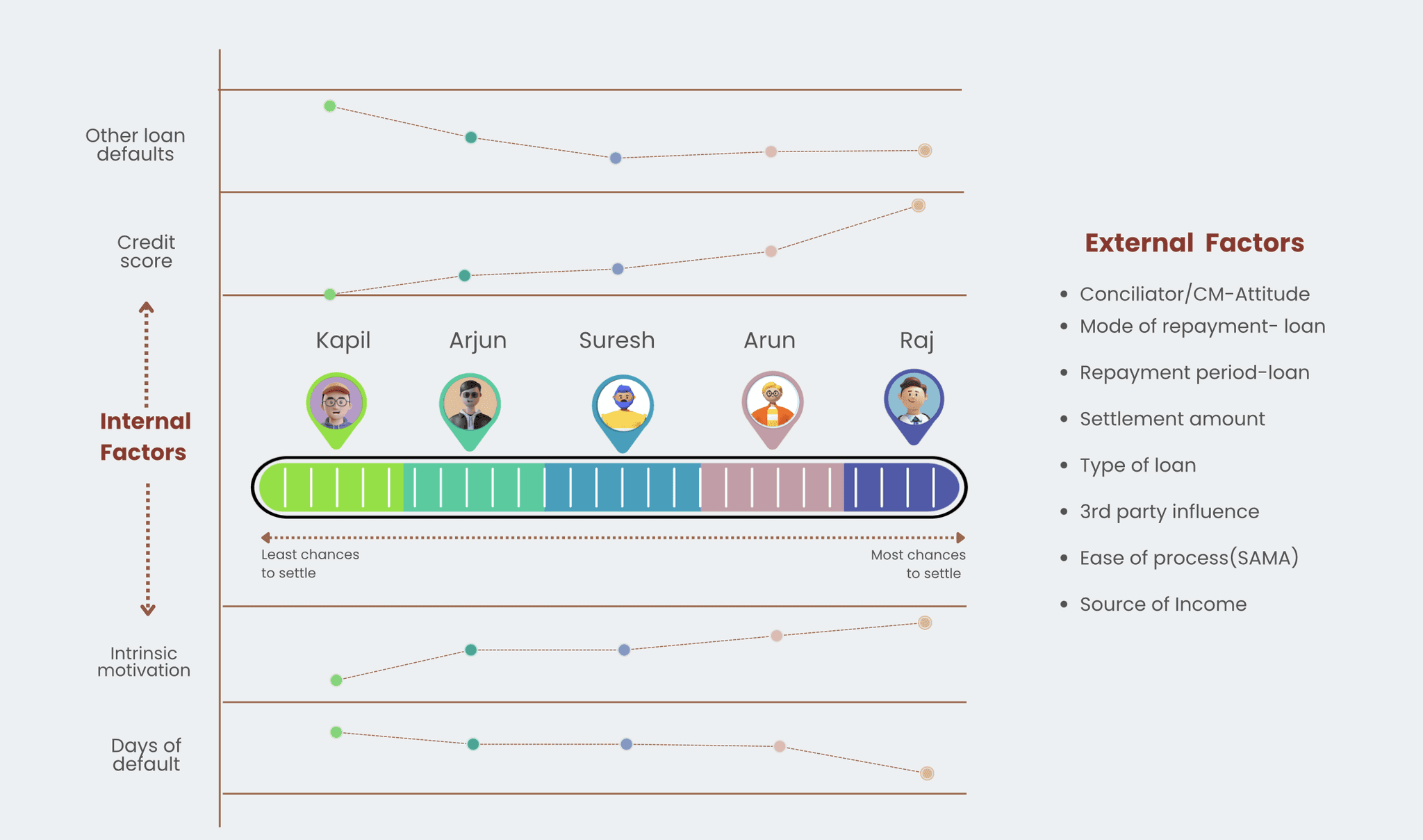

Willingness- to- conciliate meter
PHASE 2 | Primary research
Willingness -Conciliate-Scale
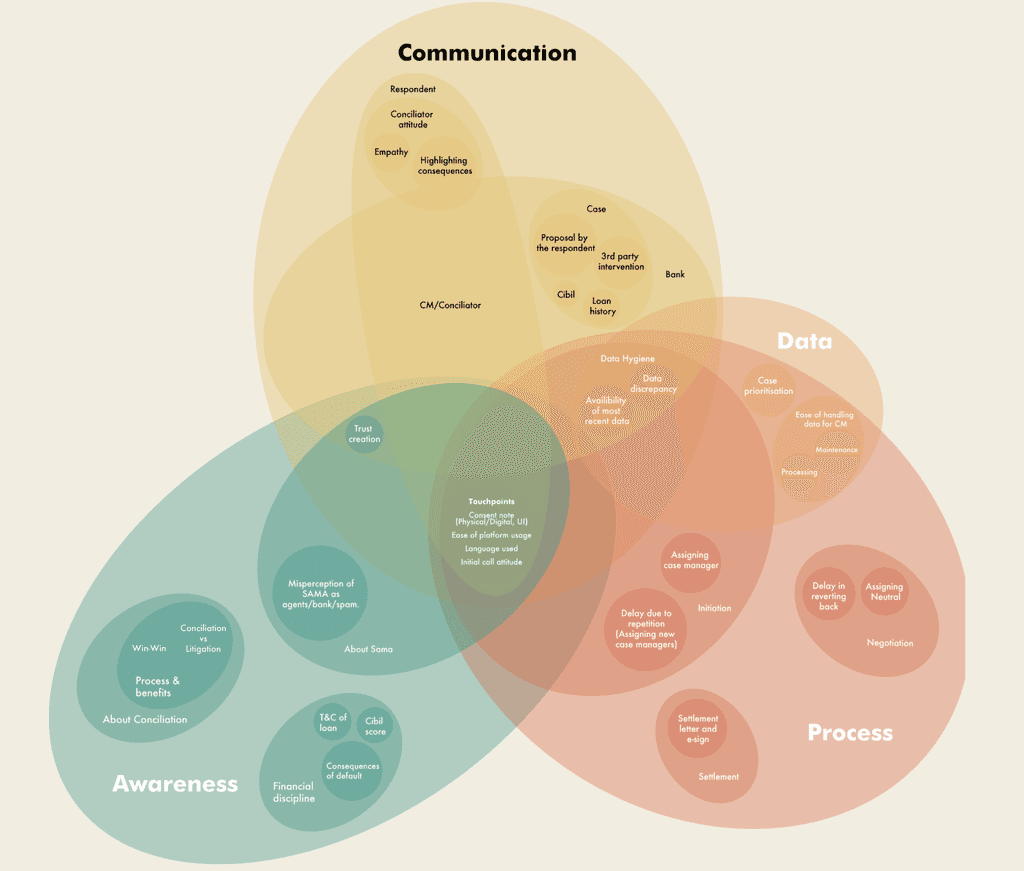
PHASE 3 | DATA ANALYSIS
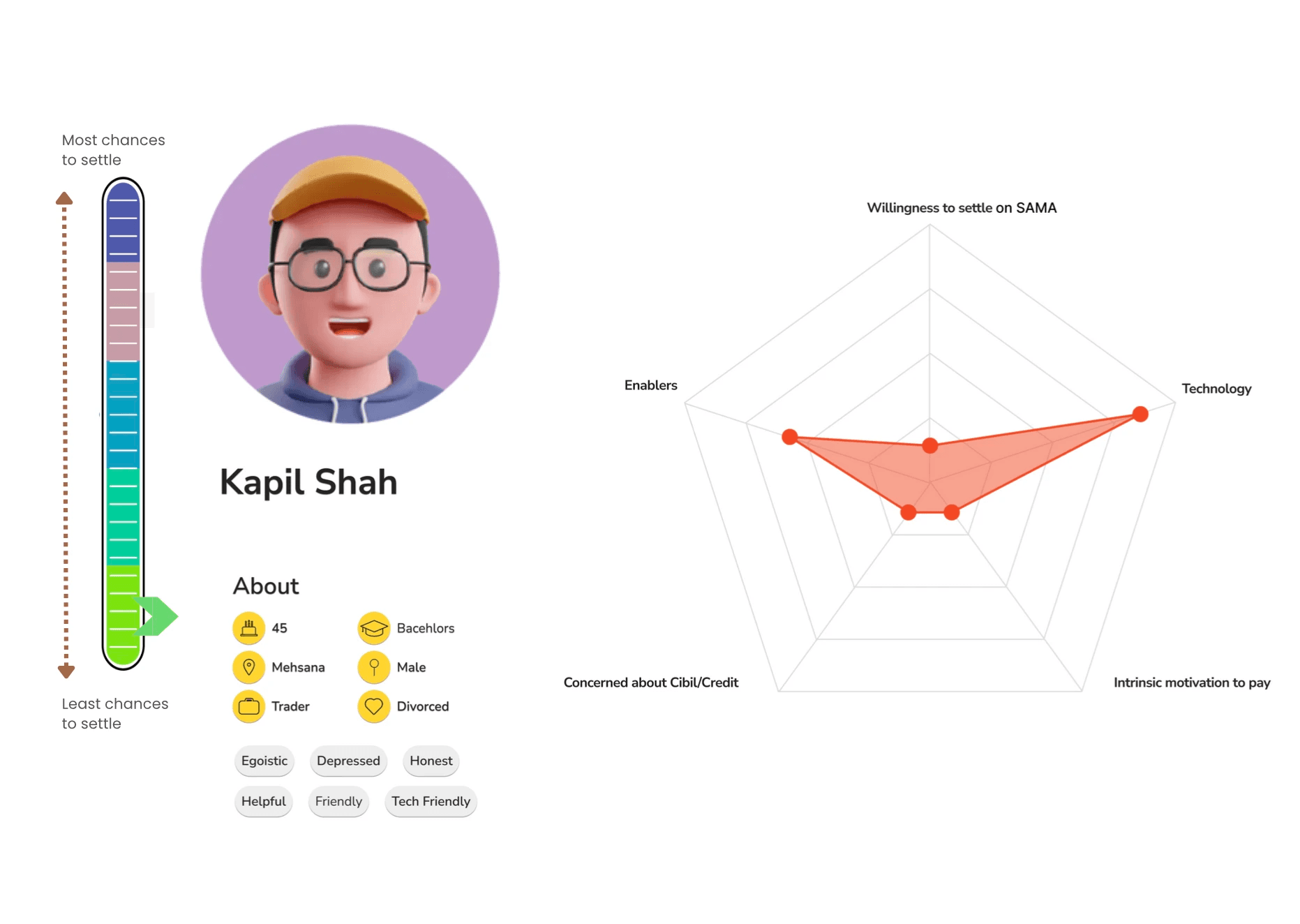
Persona 5
Factors influencing his willingness to settle
Ego
Attitude of bank
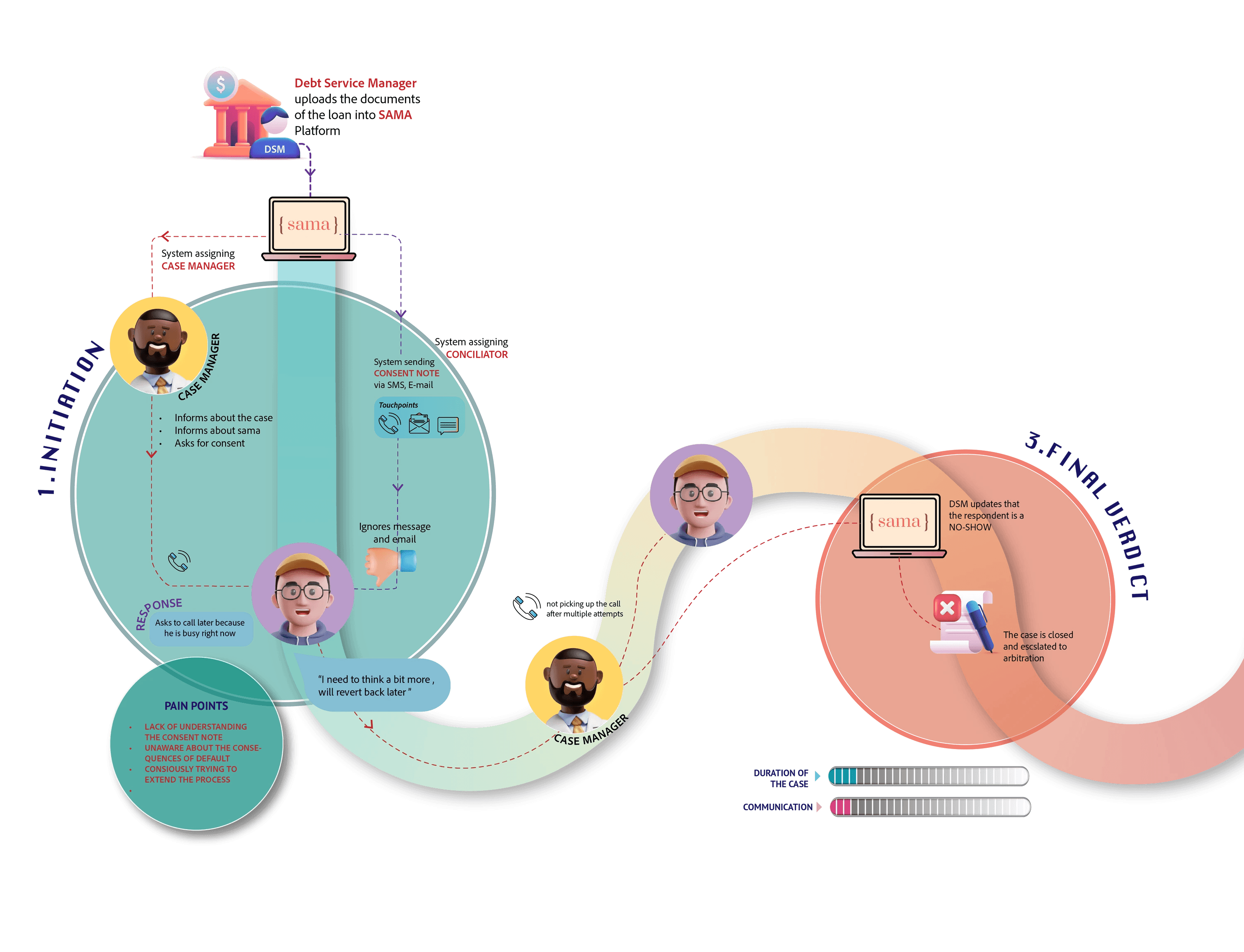
CASE SCENARIO 5
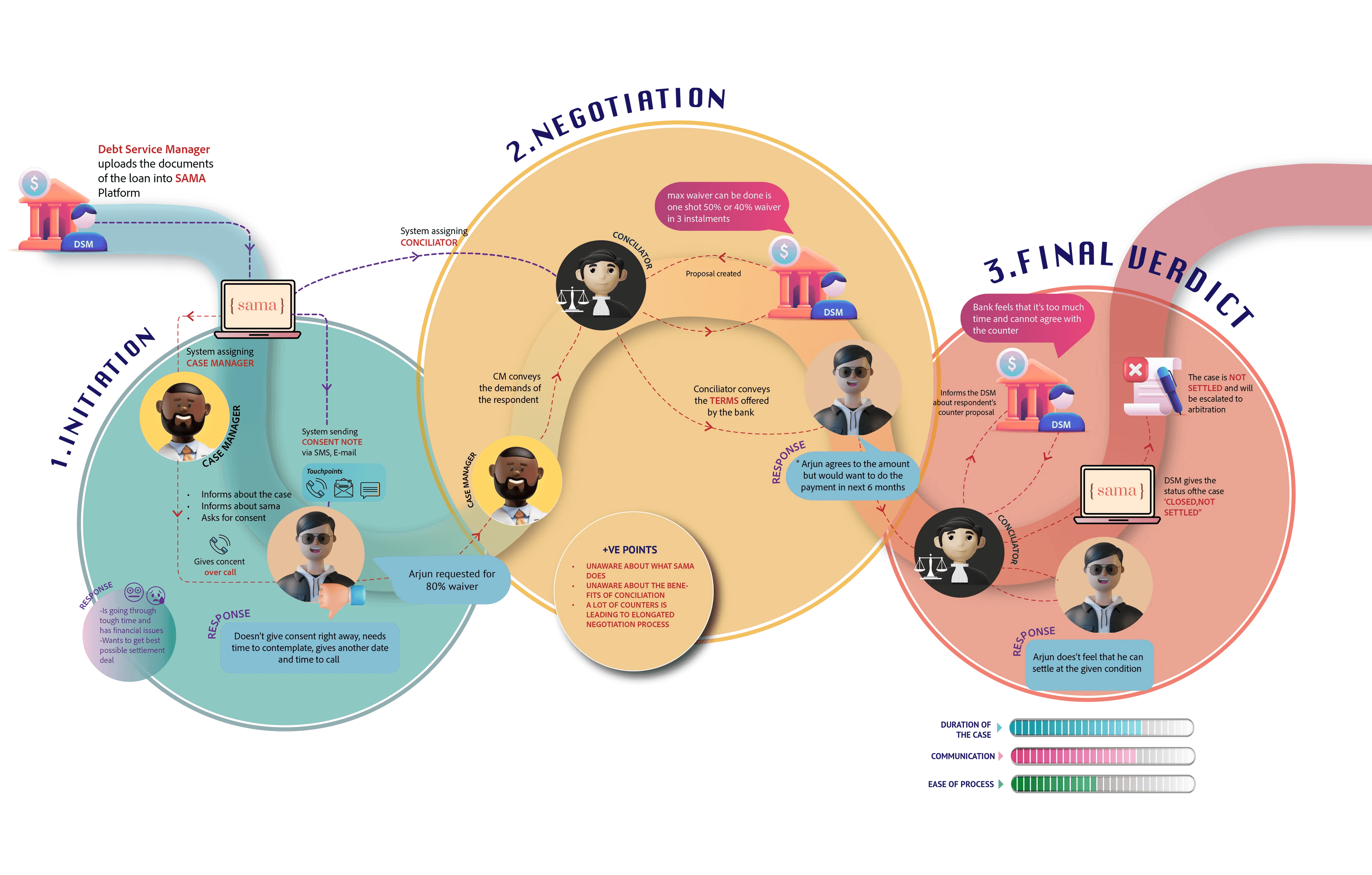
Factors influencing his willingness to settle
Credit/CIBIL Score
Source of income
Personal issues-medical,finance
Consequence of default
Previous loan default
Other loans
CASE SCENARIO 4
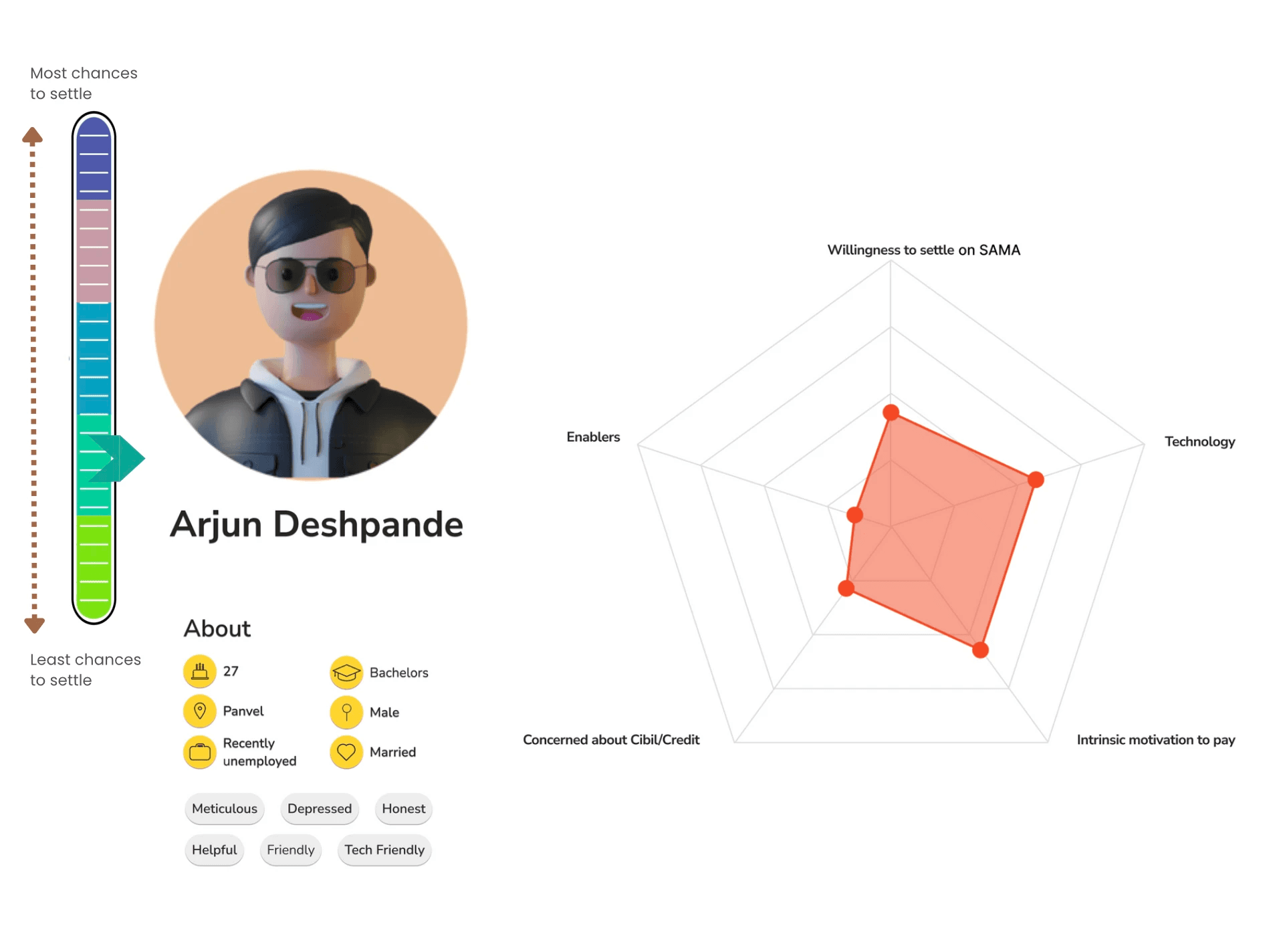
Persona 4
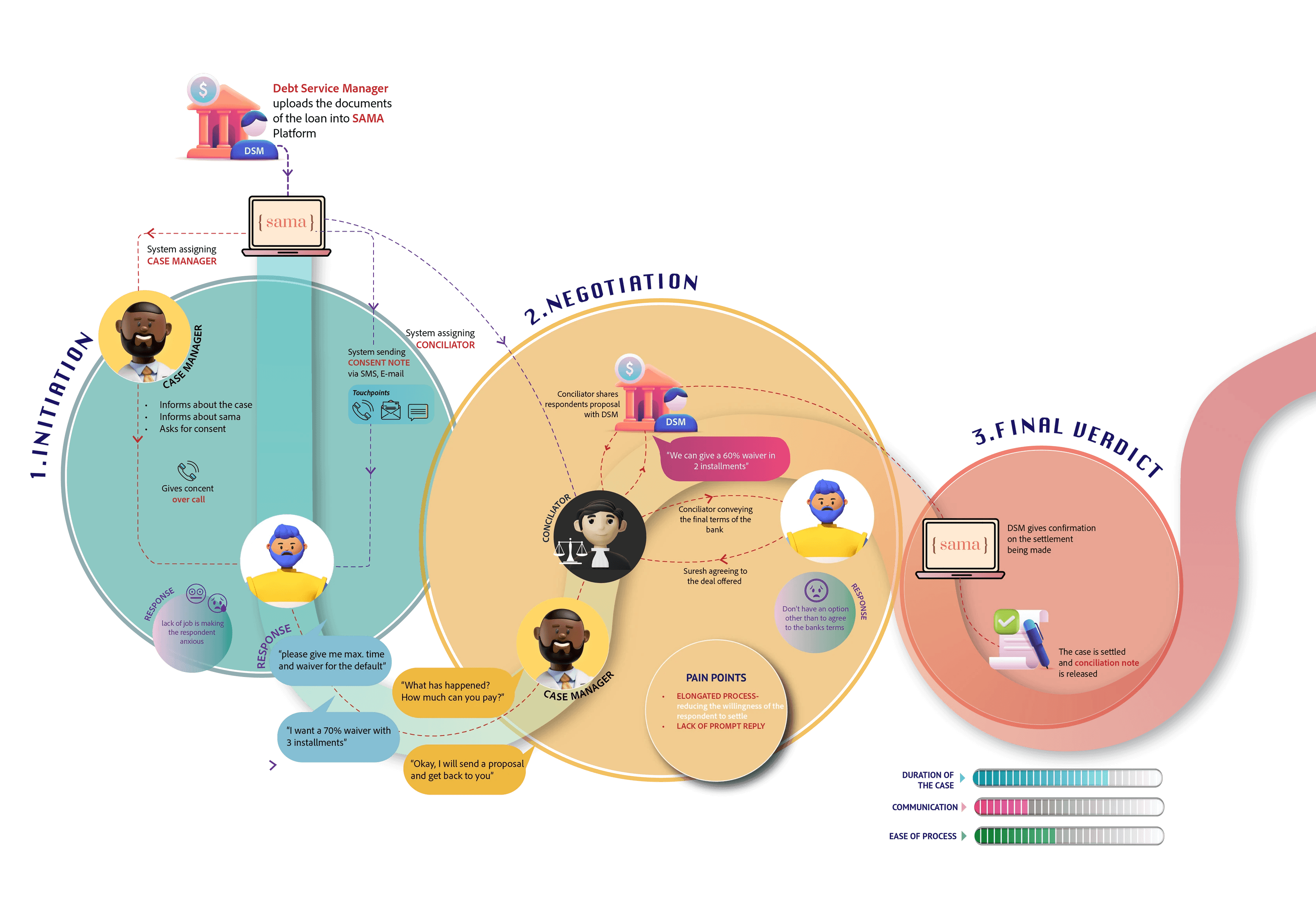
CASE SCENARIO 3
Factors influencing his willingness to settle
Credit/CIBIL Score
Source of income
Personal issues-medical,finance
Consequence of default
Previous loan default
Other loans
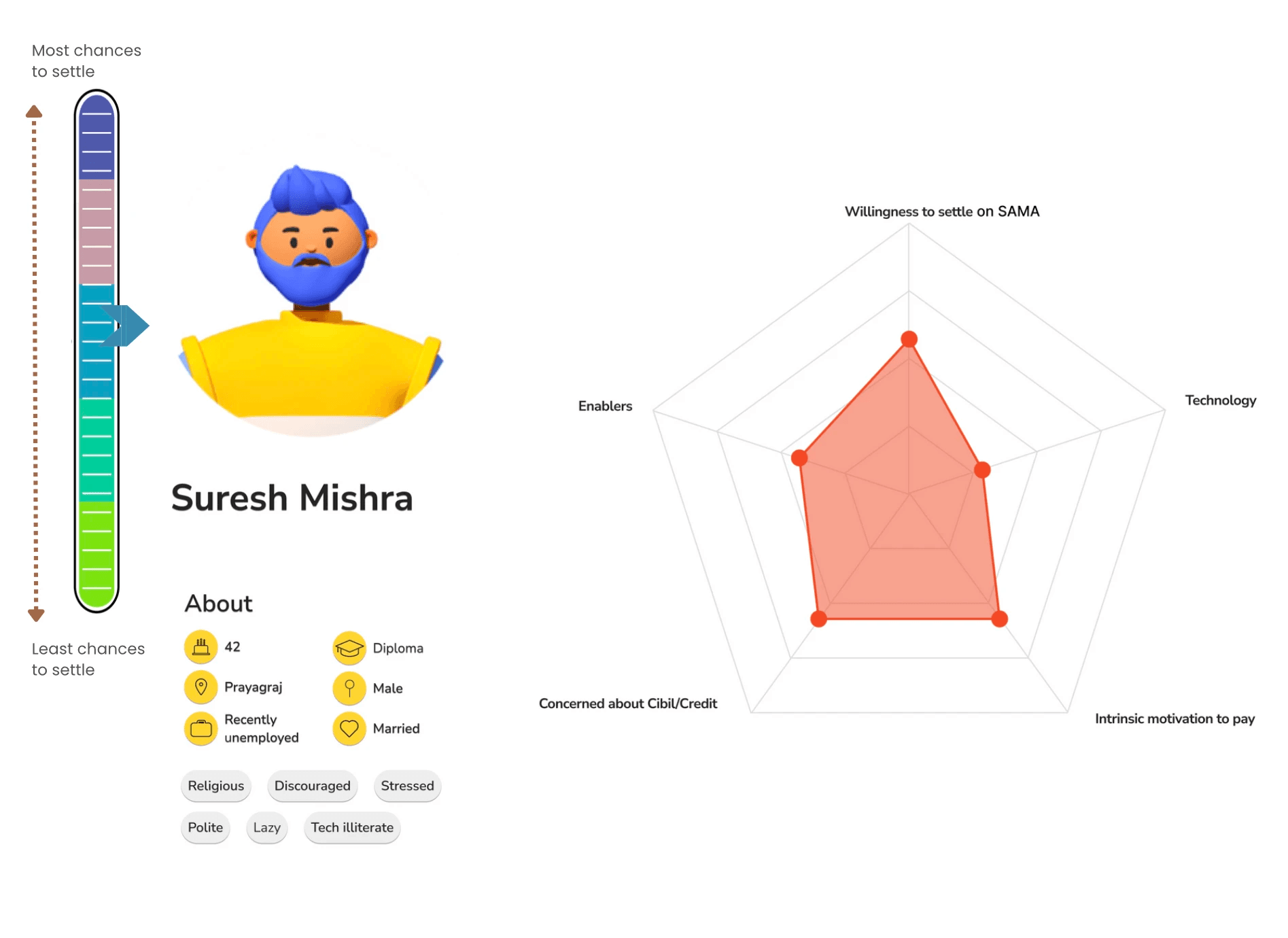
Persona 3
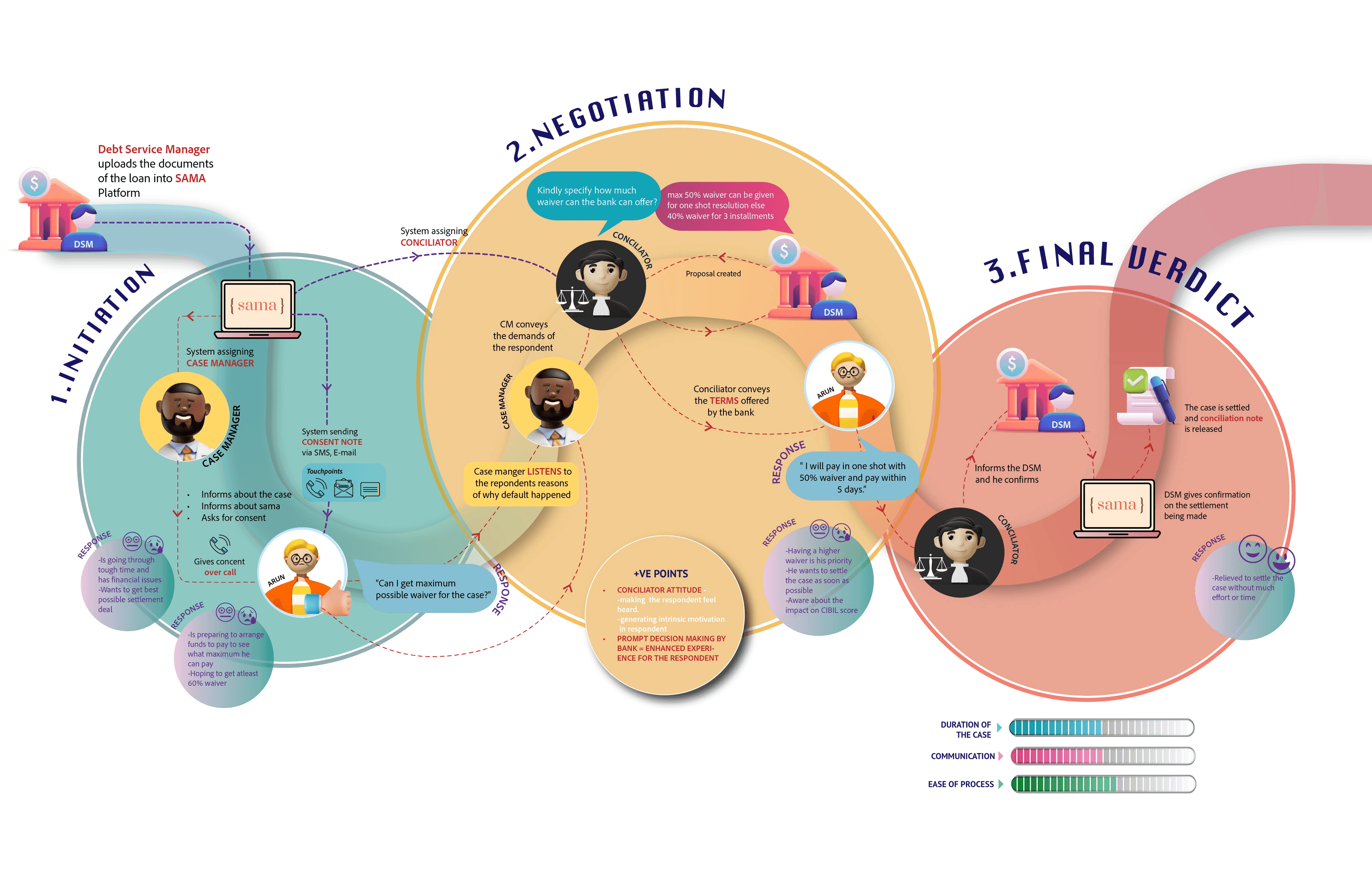
CASE SCENARIO 2
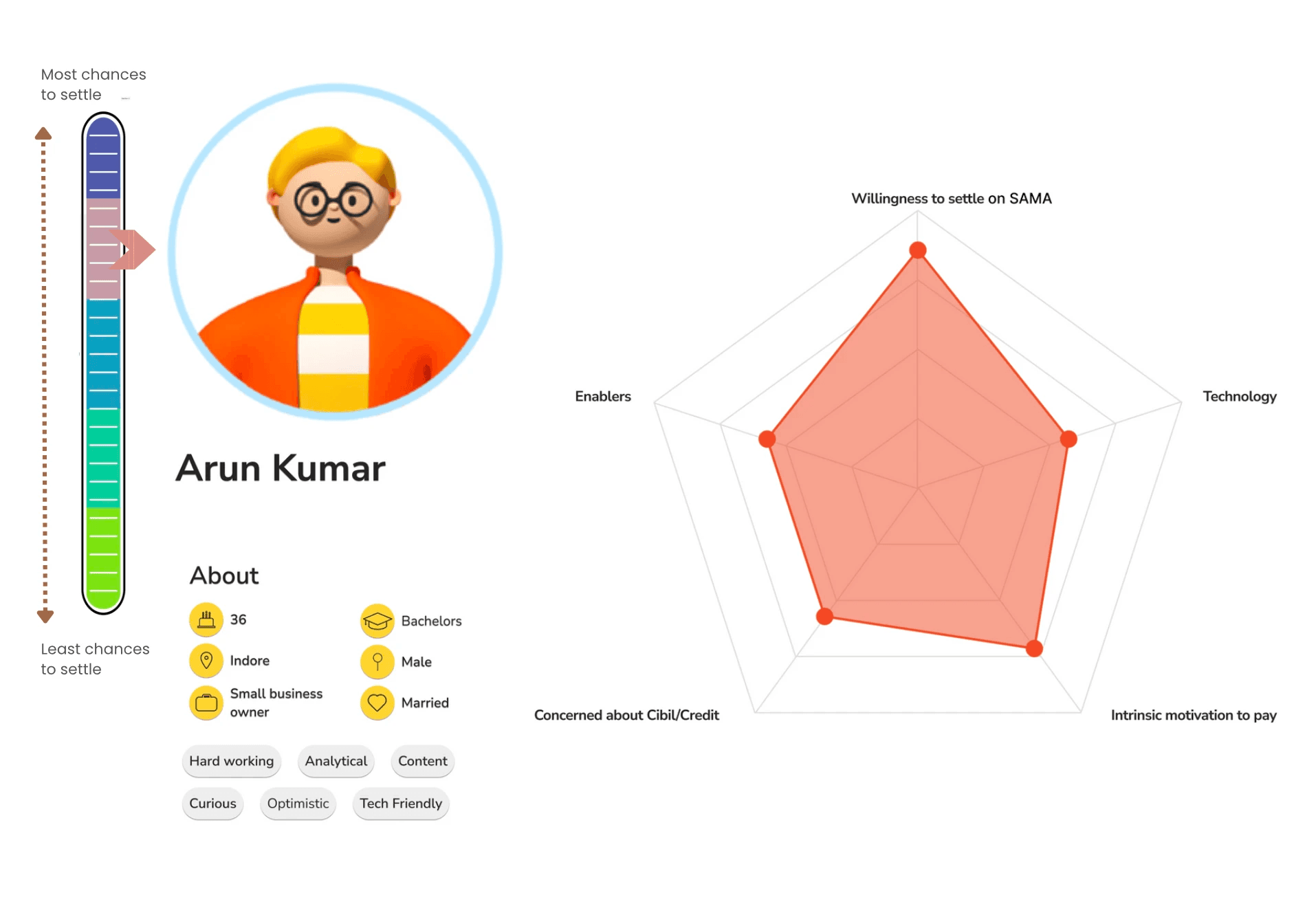
Persona 2
Factors influencing his willingness to settle
Credit/CIBIL Score
Source of income
Personal issues-medical,finance
Consequence of default
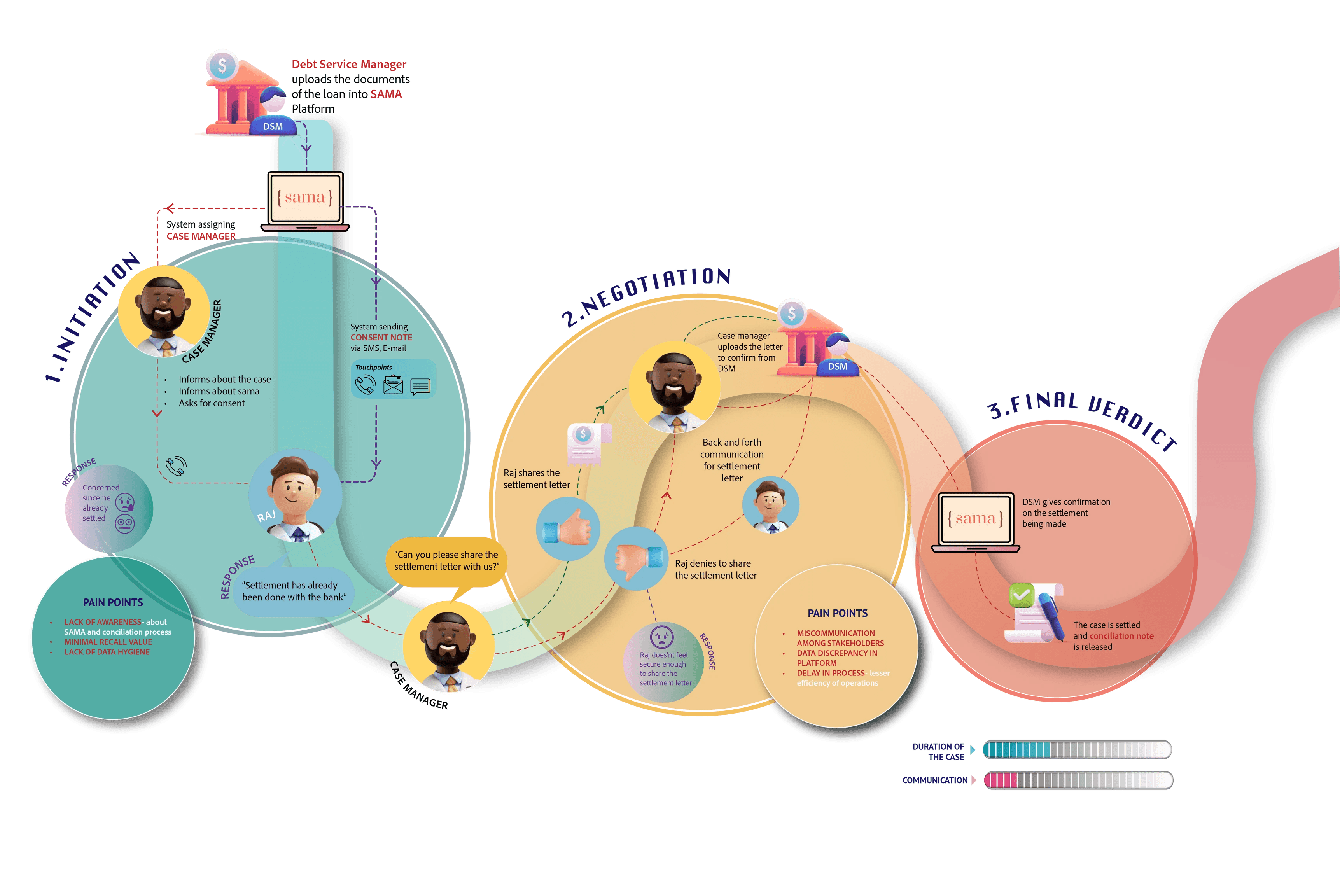
CASE SCENARIO 1
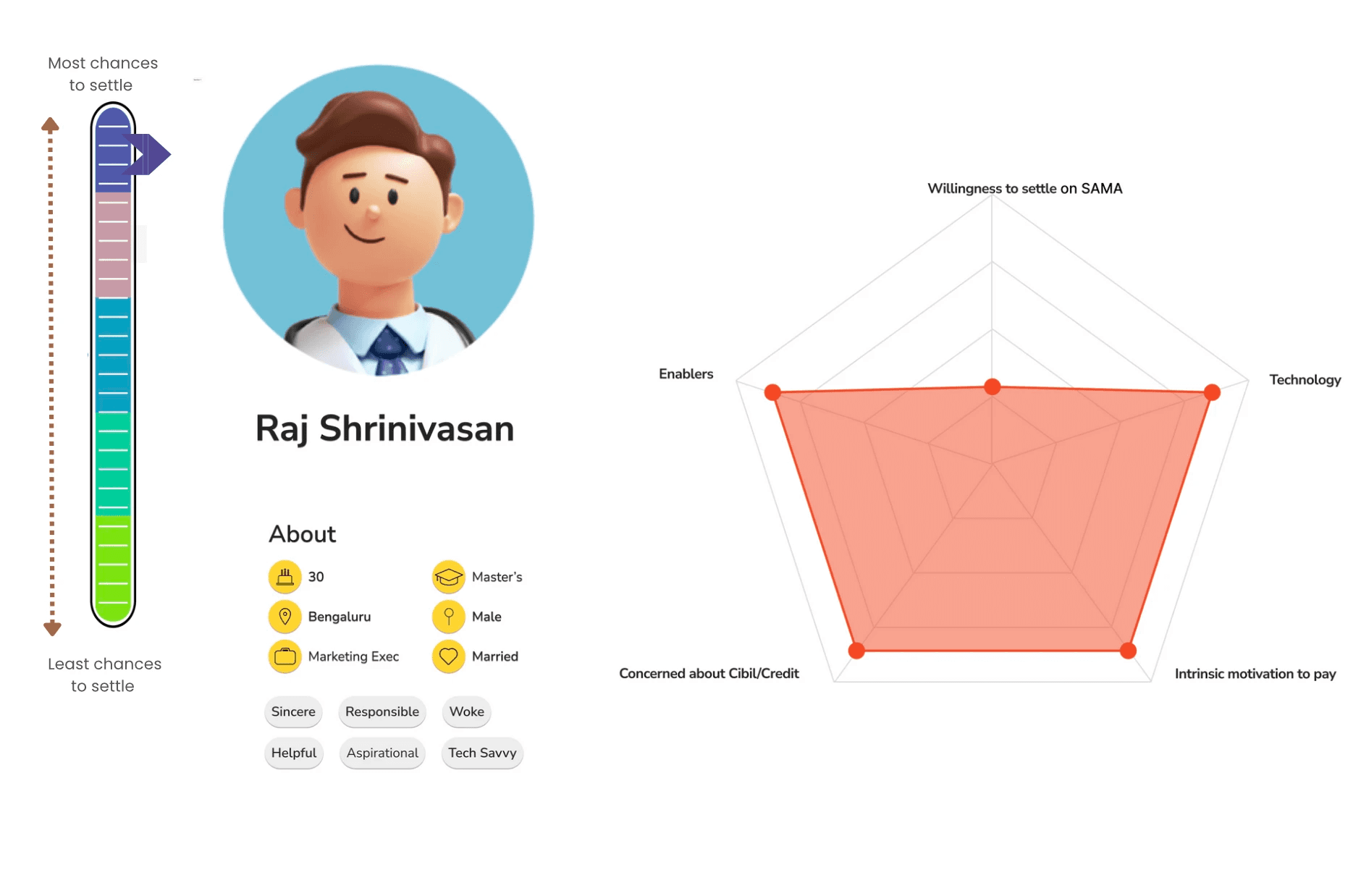
Factors influencing his willingness to settle
Credit/CIBIL Score
Source of income
Persona 1
Case scenario Analysis & persona creation
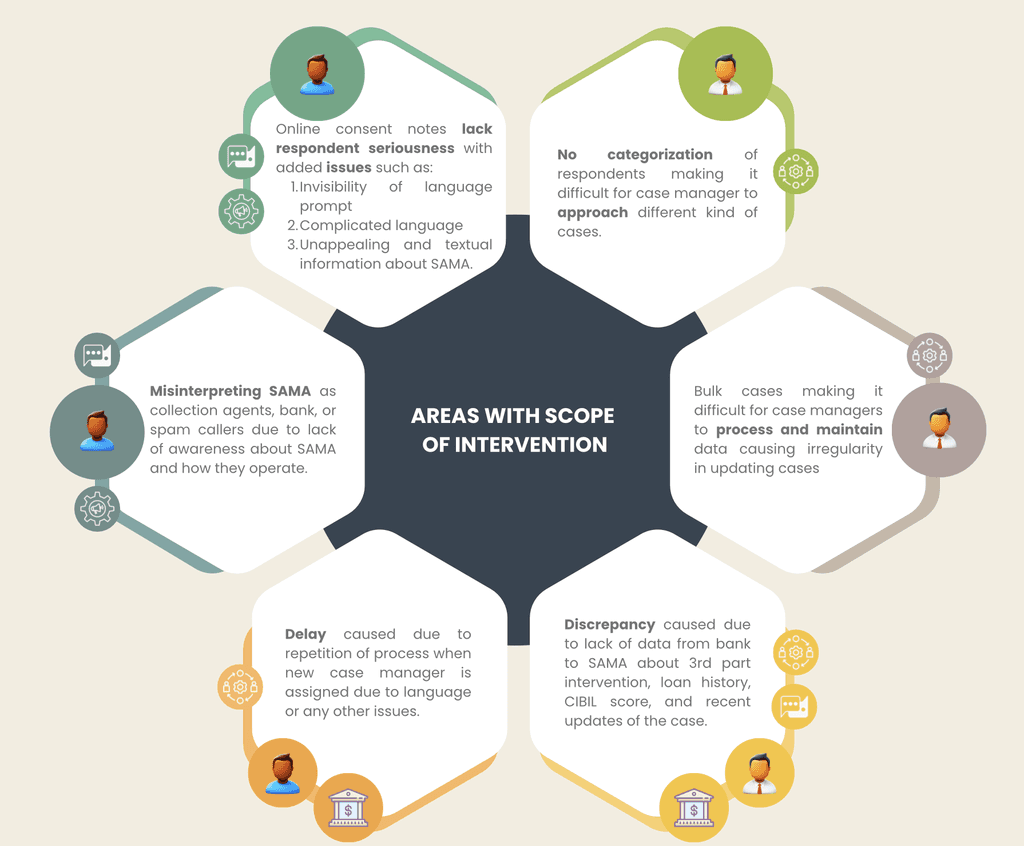
Data Hygiene issues/data discrepancies internally and bank level
Availability of most recent data to case managers- ease of handling data Initiation stage issues
Delay in the process while assigning case managers
Manual assigning of case managers which causes repetition
Lack of case prioritization
Negotiation stage issues- DSM's causing delay in reverting back
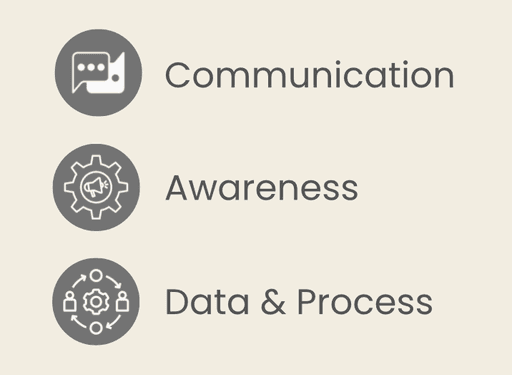
Data & Process
Sama has a minimal recall value based on the calls that we made.
3rd party intervention confusing users.
There is a considerable delay in communication on the platform in regard to the stakeholders like DSM and Case managers which extends the case timeline
The Language tab on the consent note is non accesible and the overall UI and the language of the consent letter can be much simpler.
SAMA needs to be in a position to demand the following set of data from the bank as a must- Previous loan history, any third party intervention, CIBIL score.
The peace note and the consent letter to go physically to build the aspect of informal but not casual.
Communication
Lack of awareness about conciliation- process of conciliation and it benefits, only gets to know from the initial call.
Aren't truly aware that it is a win-win situation
Lack of awareness about SAMA and hence misperception of SAMA being collection agent/bank/spam.
On a system level, lack of awareness about financial discipline, about consequences of default, affect on civil score, and terms and conditions of loan.
Awareness
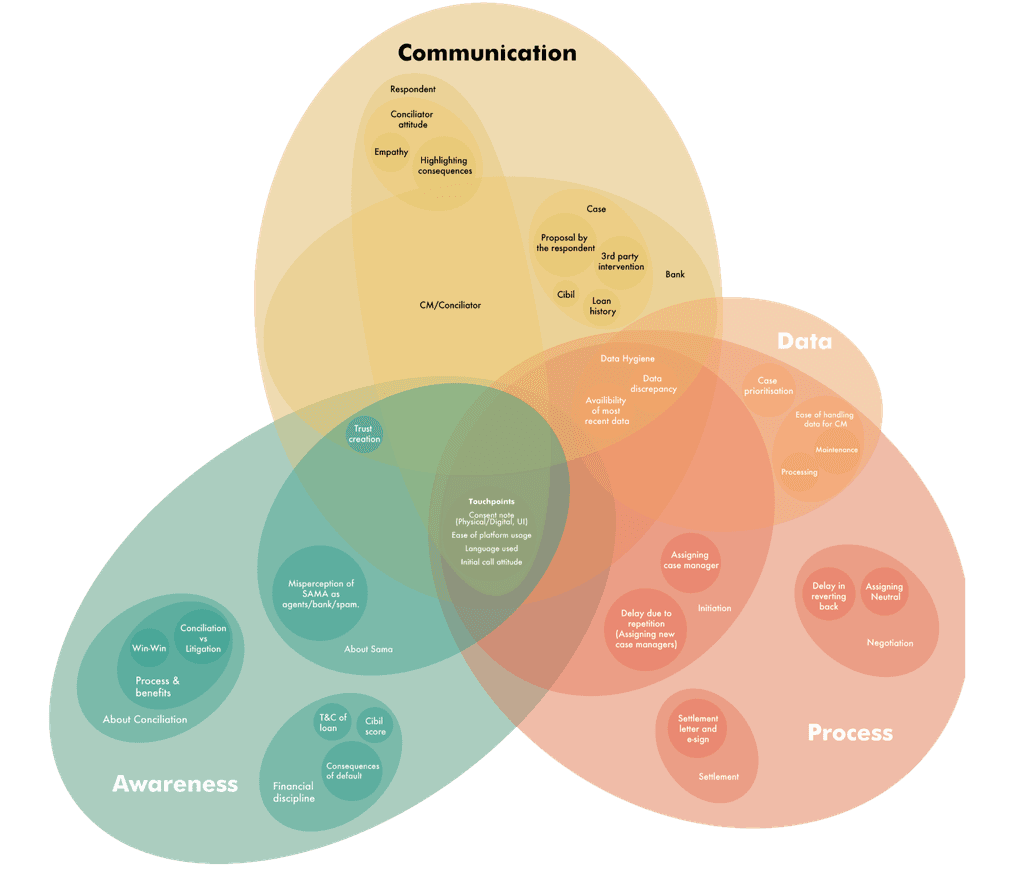
Theme Map
Areas of Intervention
Direction Ahead
Consent letter
- Conciliation has to be informal but not casual
- A peace notice, along with the consent letter in the regional language to be sent physically to tackle that.
- Setting the tone for SAMA as a help not a collection agency or bank representative and creating trust.
Case Manager- Guide book
- Willingness to settle meter
- Type of loan
- CIBIL score
- Loan amount buckets
Nudges & Notifications
- Automated nudges on the platform that remind case managers to take updates for any pending cases in their pipeline.
- Highlight summary of total cases pending to CMs and segregation according to amount buckets, and case status currently only available in God mode.
Internal communication
For better communication between the case managers and respondent, SAMA need to seek the following data from the bank
Days of default
Previous communication of respondents with other stakeholders
Availability of most recent data
Theme
Identification